Posts Tagged ‘Edubuntu’

Gnome Panel is Alive

// February 5th, 2013 // 13 Comments » // Free Software

The death of Gnome Panel

Gnome Panel (or more properly, gnome-panel) is the main dock that you would see in the Gnome 2 series desktop, and in the Gnome Fallback session (also called Gnome “Classic” in many distributions) in Gnome 3.

To provide the typical desktop experience, it’s also accompanied by Nautilus and Metacity along with a few other libraries (hence forth, gnome-panel’s friends). Gnome Panel and friends have recently been deprecated so that developers have more time to focus on Gnome Shell, the new default shell for Gnome that has a vastly simplified (and better) technology stack. Last November, Vincent Untz announced that he would stop maintaining Gnome Panel and friends beyond the 3.6 release, which means the death for it unless anyone else takes it up.

Then What

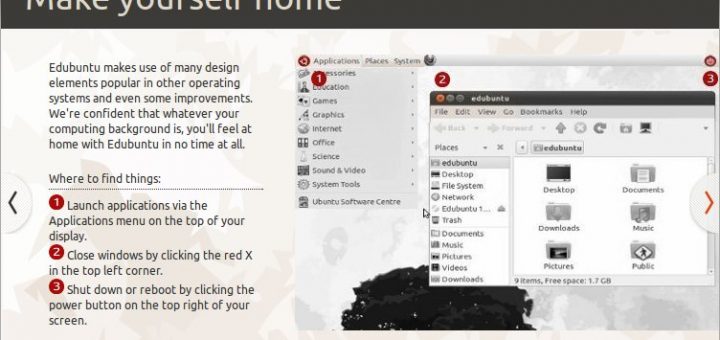
I’ve been an avid user of the Gnome 2.x series and also Gnome Fallback in the 3.x series. I’ve gotten rather good at supporting it too. We include it by default in Edubuntu, and even have an option in the installer to make it the default for installations over Unity. It provides a low-footprint, fast and simple desktop experience with very reasonable usability, while being very configurable and lockdownable. (my spell check says that’s not a word, but I don’t care).

I’ve been considering whether we should switch to having Xfce or LXDE as an alternative to Unity, but after discussing it with other Edubuntu contributors, it became clear that if I wanted to do that, I’d have to be willing to maintain it for Edubuntu by myself. In Edubuntu we’ve been pretty good at having at least 2 people being interested in any side-project we pick up and I like to keep it that way if we can. It means that if someone gets a bit busy, there’s someone who can pick up the slack for a little while. Also, Xfce and LXDE had big holes in usability, especially when it came to things like having multiple displays and running on laptops. I decided to put that project on the backburner a little since Ubuntu 13.04 will still be using Gnome 3.6, which meant that we’d have the Fallback session for one more release anyway.

The Inevitable Fork

Ikey Doherty forked off Gnome Panel to create a new environment called Consort. Metacity is forked to become Consortium. The website where the Consort desktop environment used to live seems gone now, but here’s a link to some screenshots from Google+.

This caused a bit of a stir, Vincent Untz posted a good chronology of what lead up to it and why he believes that a fork is a bad idea when the Gnome project has effectively put the upstream code up for adoption.

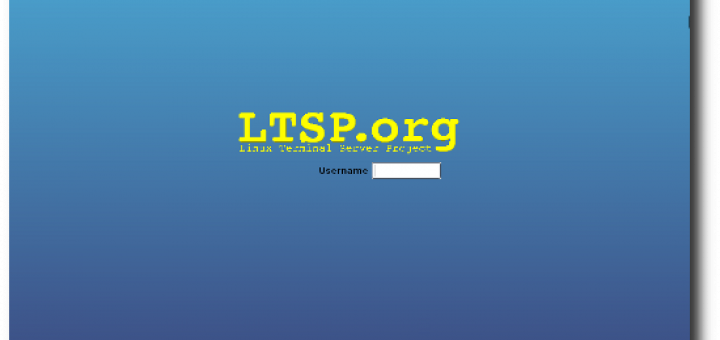
I’ve been interested in the Consort family since it could potentially be something that we could use in Edubuntu once the upstream gnome-panel is no longer in the archives. Also, while Gnome Shell, KDE Plasma Desktop and Unity are great and have come incredibly far in terms of stability and performance, it’s just not always for me. I want to be able to use it for myself in virtual machines, older machines and some other special cases (most notably, on LTSP).

Josselin Mouette, maintainer of Gnome in Debian, approached Ikey after some requests have been made for it in Debian. If you’ve read the post and the IRC logs linked, then you’ll probably agree that it could’ve gone a lot better. I’m not on the SolusOS IRC channel so only saw the conversation after the fact, but I was disappointing since it would need to go into Debian if I’d want to support it in Edubuntu. I think both Josselin and Ikey could’ve handled it better, but humans are just that and emotions and misunderstandings happen.

And so I Bite

I was chewing a bit on Josselin’s comment on how the former maintainer “maintainer decided to give the key to anyone who wanted to” and it’s been several weeks since Vincent invited people to take over maintainership. I decided that I’d at least be willing to do the absolute minimum just to keep the project releasable every six months so that it can be included in distributions, maintain its online presence pages, bug tracker status and keep up with component changes in the stack. So I e-mailed Vincent and explained what I’m willing to do. I had very little resistance, Vincent sent an email out to other people who are steakholders in the gnome-panel project and after a week, there were no objections. So here I am, brand new maintainer of the Gnome Fallback session and its components!

This means that the project is, at least for now, alive again. It’s not going to be part of the official Gnome 3.8 release (I still have to figure out exactly what that means), but there will be a 3.8 release of Gnome Panel and friends as tarballs and for people who maintain it in distributions, things will continue to work exactly as it did before.

Short-term Goals

  • My complete primary goal for this at the moment is to ensure that gnome-panel, metacity, etc is releasable alongside the Gnome 3.8 release. This basically means making sure it builds, including any patches that we can and releasing.

Medium-term Goals

  • Do something about the long buglist. The Gnome bug tracker has an ugly long list of gnome-panel bugs (939 at my last count). I want to eliminate all the stale Gnome 2.x gnome-panel bugs of which a very large amount of them are no longer relevant (at least on first glance). Then I’d like to do some regular posts to the mailing list and blog about a few prominent bugs every now and again and try to fix them and get people involved.
  • Porting Metacity to GTK3. So here’s a bit of really good news. Josselin is also involved with this and one of his mid-term goals is to port metacity to gtk3. It’s something that I know would have to happen, but I don’t have the skills to do that (yet) and I’m glad that he has took this up. Josselin’s mid-term goals also include possibly adding support for the new notification  system (if necessary) and adding support for the new Gnome global menu.
  • Create a nice project page with goals and to-do list, who’s envolved and what they’re doing and encourage more people to get involved. The current page is rather outdated so it would be nice to fix it. For now that mostly involved bringing the Gnome Panel Gnome Wiki page up to date.

Long-term Goals

  • My pet peeve…  intelligent launcher icons. Windows 7, Mac OS X, KDE, Unity and Gnome Shell have docks that work very similarly in many ways. You click on a launcher and those same launcher entries are recycled as your window list. Gnome Panel is a bit old fashioned in this regard. Many people use 3rd party panels and launchers just to get around this. I have thought for a long time that this should be fixed in Gnome Panel and long-term, it’s something that I’d like to see happen.
  • Make the stack as downstream-friendly as possible. Regarding Ikey and Consort, I don’t actually think it was a completely horrible idea at the time. We live in a free world where we use free software and anyone is allowed to do whatever they want and fork whenever they want, and while that doesn’t necessarilly mean it’s a good idea, it also doesn’t mean that we need to get all hissy about it. I’d actually be very interested in working with people who want to fork and find out why they want to fork and try to reel them in closer to upstream. In the case of Consort, I think it would be most beneficial for both projects and all their users if Consort was a branch of Gnome Fallback, rather than a fork. Both projects use Git, FFS. I’ll reach out and try to minimize duplication of effort while not blocking anyone on experimenting with new features or implementing distro-specific changes.
  • More metacity features. Metacity’s compositing features have come quite a long way, there are still a few bugs that need to be sorted out, but more than that, there are many window manager features that users have become accustomed to in pretty much all the other environments. Ikey has indicated previously that he wants to do this for consortium. It’s one of the reaons I’ll be super-nice to him because I’d really prefer that he submit as much of that upstream as possible.
  • Make everything worth configurable and lockdownable. There are some settings that I get requests from from the users I support so often that it’s just getting boring. The Gnome 2.x series proved to work well in educational and corporate environments. I say we should play on that strength and make it even more  so, while sticking 100% with the Gnome Human Interface Guidelines, of course.

Very Long-term Goals

Well, the fact is, Gnome Fallback will die. There’s a new project called Gnome Legacy, it implements a Gnome 2.x-like experience in Gnome 3. As time goes by, older machines become more powerful and the missing pieces will be implemented and eventually there would be no more good reason for anyone to want to run what we now know as Gnome Fallback. I think it could still have a good 3-5 years or maybe even more in it. Who knows, by then Gnome 4 might even be in development and all of this will be ancient history.

So, my very quick “Eek, I’m now maintainer of Gnome Panel!” post has become quite lengthy post, if you have any questions, I’ll respond to it in the comments.

SociBook del.icio.us Digg Facebook Google Yahoo Buzz StumbleUpon

Ubuntu Developer Summit for 13.04 (Raring)

// January 29th, 2013 // No Comments » // Education, Free Software, Jonathan

The War on Time

Whoosh! I’ve been incredibly quiet on my blog for the last 2-3 months. It’s been a crazy time but I’ll catch up and explain everything over the next few entries.

Firstly, I’d like to get out a few details about the last Ubuntu Developer Summit that took place in Copenhagen, Denmark in October. I’m usually really good at getting my blog post out by the end of UDS or a day or two after, but this time it just flew by so incredibly fast for me that I couldn’t keep up. It was a bit shorter than usual at 4 days, as apposed to the usual 5. The reason I heard for that was that people commented in previous post-UDS surveys that 5 days were too long, which is especially understandable for Canonical staff who are often in sprints (away from home) for the week before the UDS as well. I think the shorter period works well, it might need a bit more fine-tuning, I think the summary session at the end wasn’t that useful because, like me, there wasn’t enough time for people to process the vast amount of data generated during UDS and give nice summaries on it. Overall, it was a great get-together of people who care about Ubuntu and also many areas of interest outside of Ubuntu.

Copenhagen, Denmark

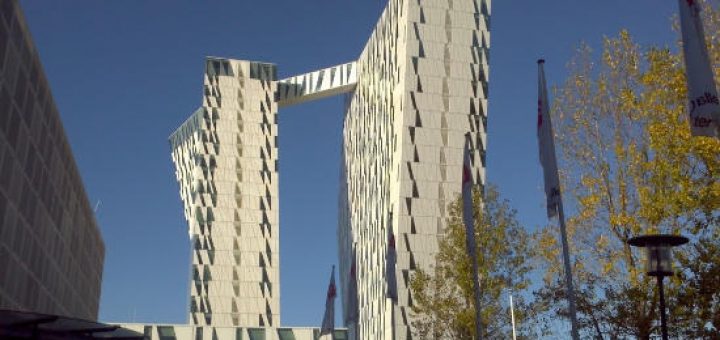
I didn’t take many photos this UDS, my camera is broken and only takes blurry pics (not my fault I swear!). So I just ended up taking a few pictures with my phone. Go tag yourself on Google+ if you were there. One of the first interesting things I saw when arriving in Copenhagen was the hotel we stayed in. The origami-like design reminded me of the design of the Quantal Quetzel logo that is used for the current stable Ubuntu release.

2012-10-28_05-50-14_21

quantal

The Road ahead for Edubuntu to 14.04 and beyond

Stéphane previously posted about the vision we share for Edubuntu 14.04 and beyond, this was what was mostly discussed during UDS and how we’ll approach those goals for the 13.04 release.

This release will mostly focus on the Edubuntu Server aspect. If everything works out, you will be able to use the standard Edubuntu DVD to also install an Edubuntu Server system that will act as a Linux container host as well as an Active Directory compatible directory server using Samba 4. The catch with Samba 4 is that it doesn’t have many administration tools for Linux yet. Stéphane has started work on a web interface for Edubuntu server that looks quite nice already. I’m supposed to do some CSS work on it, but I have to say it looks really nice already, it’s based on the MAAS service theme and Stéphane did some colour changes and fixes on it already.

edu-server-account

edu-server-password

From the Edubuntu installer, you’ll be able to choose whether this machine should act as a domain server, or whether you would like to join an existing domain. Since Edubuntu Server is highly compatible with Microsoft Active Directory, the installer will connect to it regardless of whether it’s a Windows Domain or Edubuntu Domain. This should make it really easy for administrators in schools with mixed environments and where complete infrastructure migrations are planned.

Authentication Options

Choosing machine role

You will be able to connect to the same domain whether you’re using Edubuntu on thin clients, desktops or tablets and everything is controllable using the Epoptes administration tool.

Many people are asking whether this is planned for Ubuntu / Ubuntu Server as well, since this could be incredibly useful in other organisations who have a domain infrastructure. It’s currently meant to be easily rebrandable and the aim is to have it available as a general solution for Ubuntu once all the pieces work together.

Empowering Ubuntu Flavours

This cycle, Ubuntu is making some changes to the release schedule. One of the biggest changes made  this cycle is that the alpha and beta releases are being dropped for the main Ubunut product. This session was about establishing how much divergence and changes the Ubuntu Flavours (Ubuntu Studio, Mythbuntu, Kubuntu, Lubuntu and Edubuntu) could have from the main release cycle. Edubuntu and Kubuntu decided to be a bit more conservative and maintain the snapshot releases. For Edubuntu it has certainly helped so far in identifying and finding some early bugs and I’m already glad that we did that. Mythbuntu is also a notable exception since it will now only do LTS releases. We’re tempted to change Edubuntu’s official policy that the LTS releases are the main releases and treat the releases in between more like technology previews for the next LTS. It’s already not such a far stretch from the truth, but we’ll need to properly review and communicate that at some point.

Valve at UDS and Steam for Linux

One of the first plenaries was from Valve where Drew Bliss talked about Steam on Linux. Steam is one of the most popular publishing and distribution systems for games and up until recently it has only been available on Windows and Mac. Valve (the company behind Steam and many popular games such as Half Life and Portal) are actively working on porting games to run natively on Linux as well.

Some people have asked me what I think about it, since the system is essentially using a free software platform to promote a lot of non-free software. My views on this is pretty simple, I think it’s an overwhelmingly good thing for Linux desktop adoption and it’s been proven to be a good thing for people who don’t even play games. Since the announcement from Valve, Nvidia has already doubled perfomance in many cases for its Linux drivers. AMD, who have been slacking on Linux support the last few years have beefed up their support drastically with the announcement of new drivers that were released earlier this month. This new collection of AMD drivers also adds support for a range of cards where the drivers were completely discontinued, giving new life to many older laptops and machines which would be destined for the dumpster otherwise. This benefits not only gamers, but everyone from an average office worker who wants snappy office suite performance and fast web browsing to designers who work with graphics, videos and computer aided design.

Also, it means that many home users who prefer Linux-based systems would no longer need to dual-boot to Windows or OS X for their games. While Steam will actively be promoting non-free software, it more than makes up for that by the enablement it does for the free software eco-system. I think anyone who disagrees with that is somewhat of a purist and should be more willing to make compromises in order to make progress.

Ubuntu Release Changes

Last week, there was a lot of media noise stating that Ubuntu will no longer do releases and will become a rolling release except for the LTS releases. This is certainly not the case, at least not any time soon. One meme that I’ve noticed increasingly over the last UDSs was that there’s an increasing desire to improve the LTS releases and using the usual Ubuntu releases more and more for experimentation purposes.

I think there’s more and more consensus that the current 6 month cycle isn’t really optimal and that there must be a better way to get Ubuntu to the masses, it’s just the details of what the better way is that leaves a lot to be figured out. There’s a desire between developers to provide better support (better SRUs and backports) for the LTS releases to make it easier for people to stick with it and still have access to new features and hardware support. Having less versions between LTS releases will certainly make that easier. In my opinion it will probably take at least another 2 cycles worth of looking at all the factors from different angles and getting feedback from all the stakeholders before a good plan will have formed for the future of Ubuntu releases. I’m glad to see that there is so much enthusiastic discussion around this and I’m eager to see how Ubuntu’s releases will continue to evolve.

Lightning Talks

Lightning talks are a lot like punk-rock songs. When it’s good, it’s really, really amazingly good and fun. When it’s bad, at least it will be over soon :)

Unfortunately, since it’s been a few months since the UDS, I can’t remember all the details of the lightning talks, but one thing that I find worth mentioning is that they’re not just awesome for the topic they aim to produce (for example, the one lightning talks session I attended was on the topic of “Tests in your software”), but since they are more demo-like than presentation-like, you get to learn a lot of neat tricks and cool things that you didn’t know before. Every few minutes someone would do something and I’d hear someone say something like “Awesome! I didn’t know you could do that with apt-daemon!”. It’s fun and educational and I hope lightning talks will continue to be a tradition at future UDSs.

Social

Stefano Rivera (fellow MOTU, Debianista, Capetonian, Clugger) wins the prize for person I’ve seen in the most countries in one year. In 2012, I saw him in Cape Town for Scaleconf,  Managua during Debconf, Oakland for a previous UDS and Copenhagen for this UDS. Sometimes when I look at silly little statistics like that I realise what a great adventure the year was!

Between the meet ‘n’ greet, an evening of lightning talks and the closing party (which was viking themed and pretty awesome) there was just one free evening left. I used it to gather with the Debian folk who were at UDS. It was great to see how many Debian people were attending, I think we had around a dozen or so people at the dinner and there were even more who couldn’t make it since they work for Canonical or Linaro and had to attend team dinners the same evening. It was as usual, great to put some more faces to names and get to know some people better.

It was also great to have a UDS with many strong technical community folk present who is willing to engage in discussion. There were still a few people who felt missing but it was less than at some previous UDSs.

I also discovered my face on a few puzzles! They were a *great* idea, I saw a few people come and go to work on them during the week, they seem to have acted as good menial activities for people to fix their brains when they got fried during sessions :)

2012-10-31_14-32-28_374

Overall, this was a good and punchy UDS. I’ll probably not make the next one in Oakland due to many changes in my life currently taking place (although I will remotely participate), but will probably make the one later this year, especially if it’s in Europe. I’ll also make a point of live-blogging a bit more, it’s just so hard remembering all the details a few months after the fact. Thanks to everyone who contributed their piece in making it a great week!

SociBook del.icio.us Digg Facebook Google Yahoo Buzz StumbleUpon

Wheezy Theme Updates

// August 24th, 2012 // 7 Comments » // Free Software

Joy Theme

When the Joy theme was picked as the chosen theme for Debian 7.0 (Wheezy), I wanted to do what I could to get as much of it in the archive as possible before the freeze that occurred in June. I’ve been working with Paul Tagliamonte and Vagrant Cascadian and I’m glad that it resulted in some nice things!

The Joy theme is modest and beautiful and I think Debian 7.0 is going to be one of the best looking Debian releases so far.

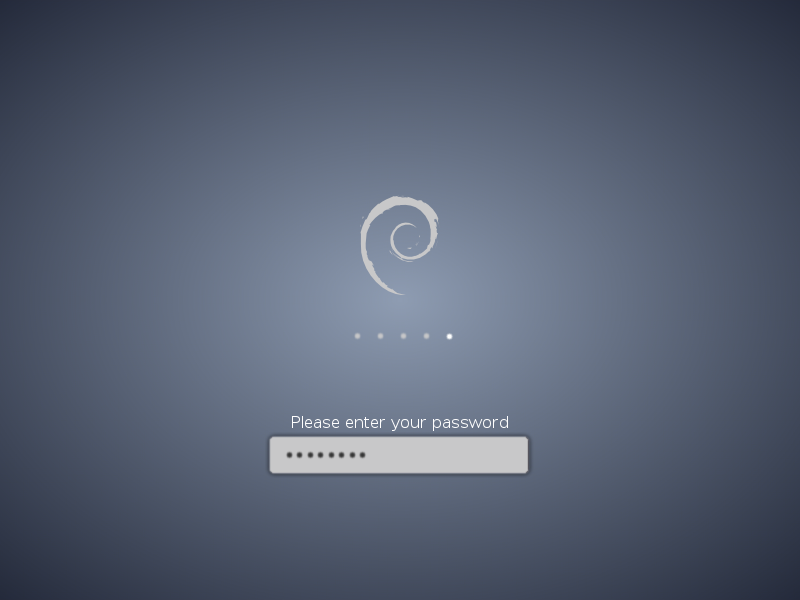
Joy Plymouth Theme

Plymouth is the part that provides the boot splash. It also takes care of a few other things, like showing prompts and progress indicators for filesystem checks, password prompts for encrypted devices and more so that the splash doesn’t need to exit to show those. It’s very scriptable, The installers for the Genesi Efika range of devices even use it for it’s front-end.

I needed to start with a Plymouth theme where I knew the prompts for all the things that happen during boot was at least more or less implemented, so I started off with one that I know works well, the Edubuntu one. So, fun fact: Debian 7.0′s Plymouth theme is actually based on the Edubuntu one.

I had to play with the colours a bit to get it right, Edubuntu has a light background so I had to invert contrast for things like the input box, but I think it came out nicely.

Splashy isn’t in the archives anymore and it’s not widely used anymore, so I cleaned it up from the desktop-base package so that there’s less clutter shipped with it.

Joy LTSP/LDM Theme

This screenshot actually looks a bit uglier than it should because I took it on a VM that doesn’t have 24bit colour, but we’re looking into what we can do to make it look better on 16bit colour as well.

During Debconf in Nigaragua, Vagrant and I worked on getting the LDM theme in shape. I have already done what I thought was most of the work by the time Debconf started, but it turns out there was a lot more to it to do it properly. We managed to get rid of the gtk2-engines-murrine dependency, which in itself is quite tiny, but it’s a bit backwards in that it depends on the whole rest of the murrine-themes which brings in too much. We took the time to get the dependencies/recommends/etc right and to make it the default theme in Debian without messing it up for any Debian derivatives. It all came together and now when you install LTSP on Debian, you get the Joy theme by default! I’m really glad about that because I didn’t get the Spacefun LDM theme done in time for the Squeeze release. Enjoy!

SociBook del.icio.us Digg Facebook Google Yahoo Buzz StumbleUpon

Launchpad.net: bug 1 000 000

// May 16th, 2012 // 1 Comment » // Education, Free Software

Congratulations

First off, congratulations to the Launchpad.net team for reaching bug #1000000. They’ve managed to build a huge platform that scales very well. Very few bug trackers live to that milestone and it’s amazing how they have managed to keep it snappy and also keep downtime so low by doing continuous roll-out.

1 000 000 x 67

A million bugs are a lot, but even more mind-blowing: for every bug filed in Launchpad.net, 67 iPads have been sold. Educational institutions everywhere are jumping on the iPad bandwagon, and in the Edubuntu project, we believe that the tools are quickly coming together that allows us to deliver a product that can be truly competitive with the iPad in educational environments.

We’re currently re-designing the Edubuntu website and will soon have a dedicated section to this project, but in the meantime, please join us on the edubuntu-devel mailing list and introduce yourself, or on the #edubuntu IRC channel on Freenode.

SociBook del.icio.us Digg Facebook Google Yahoo Buzz StumbleUpon

iPads in Education and the Road Ahead for Edubuntu

// April 16th, 2012 // 6 Comments » // Education, Free Software, Project Mayhem

Greentown School Kindergarden iPads

Earlier this year, I was a bit surprised to see that a school is planning to buy iPads for its entire Kindergarden. I’m interested to know how that went and how they’re using those devices. The school dipped into it’s long-term savings to buy those iPads, and to me that sounds risky. If I were a parent at that school I don’t think I would approve of the school risking long-term security to provide technology to kindergarden kids. The article I link to states that the iPads are bought because it aims to improve reading skills. I’m pretty confident that it would make at least some difference, but I’m also confident that it doesn’t justify the price and risk associated with it. Also, how does the school manage the apps installed? Are there tools for that (I’m honestly asking)? Can educators monitor scores? The child’s progress? Do the educators receive sufficient training on these tools? Who helps when things go wrong? The cost of iPads doesn’t end with just the price of the devices and the direct maintenance costs. Educators have to change the way they teach. They have to learn how to provide education via a new medium and redevelop some of their materials. When I first read that article I was thinking of all these things and wondering if that school could really justify buying them.

$18.2m Fort Bend Independent School District iPads

Today I stumbled across a website for students who are against their school board spending $18.2m for an iPad roll-out. The school board is rolling out iPads while their traditional computing IT infrastructure is aging, reportedly the school still has some outdated technology in place, such as Windows 98 machines. The students are making the case that money would be better spent upgrading their current infrastructure, like upgrading all their machines to Windows 7 and deprecating all the old hardware that can’t run it. I agree with them, it would indeed be an improvement on buying a bunch if iPads, and that investment is likely to also last a lot longer than the iPads will.

While $18.2m is a lot of money, I think it’s the tip of the iceberg of what’s being spent on iPads in schools and I can’t help wondering if it’s the best way for schools to be spending their money, especially considering the doubt of whether the use of technology actually increases grades. In my experience educators tend to think of computers as magical devices that will do a lot of the teaching for them and give them more time to focus on other things, but the reality is that it’s rarely the case.

The Case Against Technology in Schools?

I suppose it’s starting to sound like I’m trying to build a case against technology in education. I’m not.  However I do believe that spending that kind of money, especially for very young kids is a waste. They have much more important things to do, like playing. I can’t imagine how learning to read and do basic algebra can possibly be better for kids on iPads than interacting with your real life teacher and your classmates around you. These kids have several years ahead of them where they can learn how to be office drones and good little consumers, why put that on them now?  I’ve come across teachers and parents who believe that their kids need to start as early as possible in order to give them a competitive edge and to get them “in early”. I can’t predict the future, but I’m pretty confident that your kids will be completely fine if they learn about computers a bit later.

So why am I bringing all of this up?

Well, I’m not really trying to convince anyone of anything in particular, but I do think people should be aware of some of the current trends that are at least somewhat concerning. I also think that people should think about this, because I remember being in school and getting angry myself when I came across things in the system that just completely sucked and wondering… “isn’t there anyone out there who really cares about this!?”.

Edubuntu

I’m also thinking of solutions, because I can’t help doing that. I’m wondering of ways we could make Edubuntu a *lot* more better for schools. So far we’ve been pushing out a collection of the best available free software we could find every release and as a project it’s getting quite stable and we’re getting quite good at doing what we do. I also think it’s time we step it up, have an official, supported Edubuntu device. Have good management software where you can choose which software, ebooks, courseware and other tools are installed on which device. Have testing tools and feedback tools that are easy and secure to use. Make better use of the Ubuntu Software Center’s support for additional add-on applications and build an eco-system for people who develop software for education, free software and not.  We’re a small project and just keeping our current work going is already just about as much as we can carry, but we’re going to have to grow the project drastically if we’re going to develop something that is an appealing and interesting alternative to these iPads that people are so happily sinking money in to, often money that they don’t really have. I also want to see a good alternative that provides a solution using free software.  I have some more details on all of this to follow, but I thought I’d keep this blog entry shorter so that I can at least get it out.

I’m going to be presenting some cases for big changes in Edubuntu to the Edubuntu Council soon and I’m going to try to get us a lot of help for this. If you’d like to get involved in any way, please get in touch! More details will follow soon.

SociBook del.icio.us Digg Facebook Google Yahoo Buzz StumbleUpon

Gnome Summit Montréal

// October 8th, 2011 // 1 Comment » // Education, Free Software

A Gnome summit just 2 hours away from where I live? Awesome!

A few weeks ago I noticed that the Gnome summit that usually takes place in Boston is happening in Montréal this year!  Being a Gnome user for more than a decade and having provided support for it to many people since then, I thought it would be great to pop in for a few hours and see what it’s about. The first session is just about to start and I hope to be back tomorrow as well.


Gnome Stuff in Edubuntu

In Edubuntu 11.10 (Oneiric Ocelot) that’s being released next week, we’ve had to drop Nanny, Pessulus and Sabayon. That’s quite painful since they were great tools, but they didn’t work so well with all the Gnome 3 stuff and they don’t seem to be very actively maintained upstream at the moment. I would’ve gotten involved with those tools if I wasn’t already over-committed, I even considered doing something from scratch that integrates with the Gnome System Settings manager. My goal for now is just to get to know some people and learn more about the Gnome project and its goals. Maybe in a few months my situation will be different and I can commit some time to it. There’s really a need for administrating what desktop systems look like, how they work and how they are locked down in schools and other large deployments.

In Edubuntu, we’ve had to make some tough choices regarding the Gnome desktop since the 11.04 release. We want to keep Edubuntu a great system for schools, but also not stray too far from what a default Ubuntu system gives you. For 11.04 (natty) we decided not to use Unity by default, but provide it as an option in the installer so that early adopters could give it a try. For 11.10, we now install Unity by default and provide the Gnome fallback session as an optional installation. Our aim for Edubuntu is to support Gnome fallback mode as well as Unity. I’m really glad to see that Debian has decided to support Gnome fallback mode as an equal to Gnome shell in Wheezy without having to activate it in system settings first. It would be nice if Gnome upstream could stop calling it the ‘fallback’, but I guess they want to push Gnome Shell as the default as far as possible. Happy hacking everyone!

SociBook del.icio.us Digg Facebook Google Yahoo Buzz StumbleUpon

Dear Gnome: Please listen to your users

// August 8th, 2011 // 24 Comments » // Free Software

Regressions in Gnome 3 from Gnome 2

Keep in mind: much of what I mention the below is done on purpose by design by the Gnome project, and aren’t necessarily bugs per se.

When Gnome 3 was released I pretty much immediately took the plunge and upgraded to it. I initially used the default Gnome Shell for a bit. There were some really big regressions right away. You can’t change your fonts, icon theme, GTK theme… I found a tool called gnome-tweak-tool that does allow changing those things, but I find it annoying that I can’t do it via the default system-settings tool.

Then there’s the screensaver. It just shows a black screen without showing any fancy interesting things on it. Personally I don’t care all that much, but the typical user really values being able to customize their systems. With pretty much every deployment I work with I have clients asking me if they can have their company logo (or something similar) show on the screensaver. Now I have to tell them that I’d have to charge them extra for that because Gnome doesn’t think that people should be able to use their computers the way they want it to.

Then there’s the power settings. Why can’t I choose what my laptop does when I close the lid? In Gnome shell I can’t choose where my clock will be. I can’t even choose where my system notifications will be. To make it worse it’s in a place that requires me to move my mouse to a specific corner that is way out of my way, and once I do that I have to carefully move my pointer over the applets because they change position. I’ll stop about Gnome shell now otherwise I’ll go on about it all day long.

Gnome 3 Fallback Mode

Gnome 3 fallback mode offers some consolation. It gives me a familiar and much more usable desktop than Gnome shell. It’s much better with multiple displays and also larger displays. I can still choose what window manager I want to use (although I’ve noticed when I use compiz then alt+right-click doesn’t work anymore when I want to customize my panels). Sadly, it’s not really the complete old Gnome desktop, it has the same problems as listed above. Some Gnome upstream projects also simply don’t work anymore. Pessulus, Sabayon and Nanny are currently broken. I know it’s open source and I could just fix it myself (that’s probably going to be a whole blog entry on its own), but I don’t have the time maintain that on top of what I’m currently doing. It *SADDENS* me that we’ll have to drop all three tools from Edubuntu 11.10 if we can’t fix it in time (to be honest I don’t think anyone else cares, apologies if I sound like a cynical asshole). Then there’s the migration from gconf to dconf/gsettings. I understand the benefits but it just happened too soon. Dconf is weird, complicated and badly documented. Try doing something like just setting a default position for an icon on a desktop for gsettings for multiple users. I dare you! This used to be something simple that we could take for granted before.

Then there’s the printing configuration!?

None of those buttons work! Well, the on/off button switches but makes no difference. And I can lock/unlock it. Besides that all it does is sit there and thinks it’s printing to no printers that are available. Oh, about that On/Off switches. It’s confusing to some users! Is it “Off” when it shows “Off”? Or will it be “Off” when I click on “Off”? (I know the answer to this, but I know a significant number of users who struggles with it).

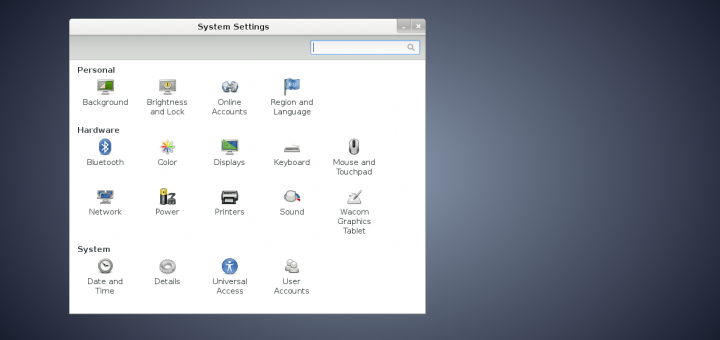
Gnome system settings is really weird. There’s a keyboard (…dare I call it snap-in) module), but if I want to choose my keyboard type I have to do it under Region and Languages. There are seperate modules for “Displays” and “Screen”. How would a user know under which one the particular display setting their looking for will be?

Sorry…

Sorry for the rant, I love the Gnome project and the Gnome 2 series delivered exceptionally good software. I realise that some things in Gnome 3 will get better, but the problem is that so many things are bad on a design level already. Gnome Shell for example will never work well on LTSP because it’s not possible to run a local window manager (if you have a gigabit connection to a thin client, it will use 25MB/s just to move a window arround, running compiz or metacity locally uses *nothing*). Eek, I think I started doing it again, I digress.

What I’m asking from Gnome is, please listen to your users. They’re not as dumb as you think.

I’m sure someone will probably jump up in defense and defend some of the decisions that Gnome has made. I think it’s great that Gnome is trying some new and experimental things but at what cost? Also, at some point you kind of have to admit that you made a mistake and move on instead of relentlessly sticking to your principals.

Screw principles. Use science, it works!

SociBook del.icio.us Digg Facebook Google Yahoo Buzz StumbleUpon